


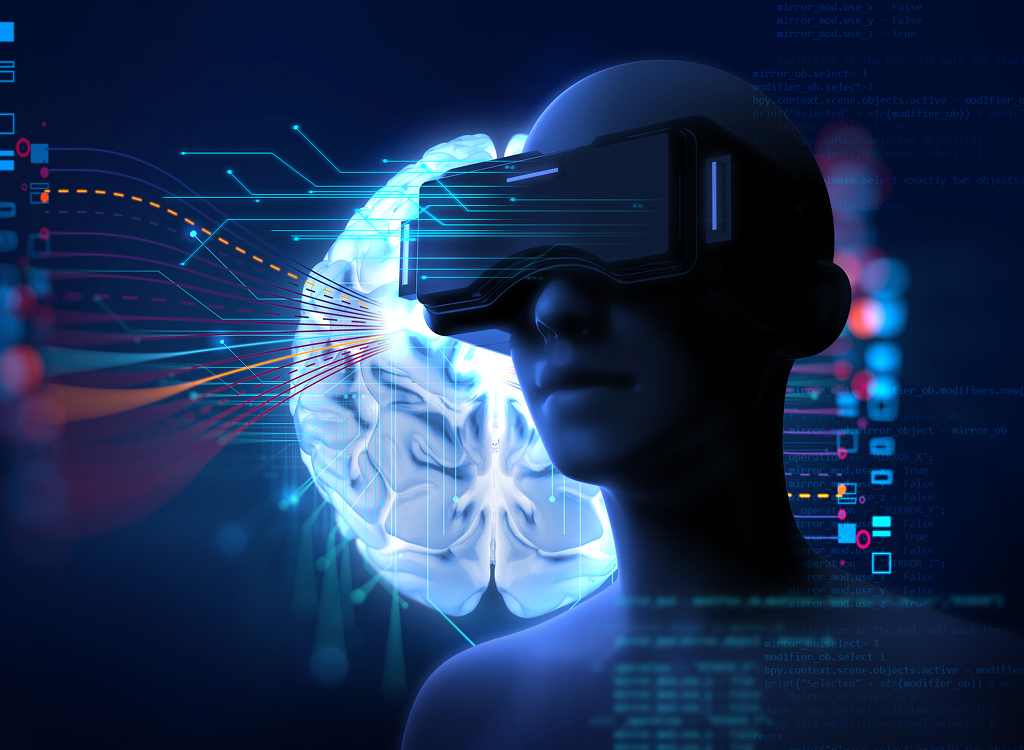
AR/VR Development

AR/VR Development

AR/VR development involves creating immersive, interactive experiences using augmented reality (AR) and virtual reality (VR) technologies. AR enhances the real world with digital elements, while VR creates entirely virtual environments. These technologies are used in gaming, training, education, and marketing to engage users, improve learning experiences, and provide innovative solutions across various industries.

Crafting Immersive and Interactive Digital Worlds

Innovative AR/VR Development Company in Bahrain

AR/VR development creates immersive, interactive experiences by blending virtual elements with the real world (AR) or crafting entirely virtual environments (VR). These technologies revolutionize industries such as gaming, education, healthcare, and marketing by providing engaging simulations, training tools, and innovative customer experiences. AR/VR development enhances user interaction, improves learning outcomes, and offers new ways to visualize products or services, making it an essential tool for businesses looking to stay ahead in a rapidly evolving digital landscape.

what you get

How to Use Our Identity Correctly

AR/VR development offers numerous benefits, including enhanced user engagement through immersive experiences, improved learning and training with realistic simulations, and innovative marketing strategies. These technologies allow businesses to visualize products, increase customer interaction, and create memorable brand experiences. Additionally, AR/VR can streamline remote collaboration, boost operational efficiency, and provide real-time data insights for better decision-making.

Creating Success

Steps to Elevate AR/VR Development for Better Results

To enhance AR/VR development, businesses should focus on understanding user needs, selecting the right technology, and ensuring seamless integration with existing systems. Continuous testing, user feedback, and optimization of immersive experiences are key to improving functionality. Additionally, investing in high-quality content and training ensures successful adoption and engagement.

Conceptualization & Research

Understand the target audience and business goals. Research the latest AR/VR technologies to determine the most suitable approach for the project.

Design & Prototyping

Create detailed wireframes and prototypes of the AR/VR experience, focusing on user interface (UI) and user experience (UX) to ensure immersion and engagement.

Development & Integration

Develop the AR/VR application, integrating relevant content, 3D models, and interactive elements while ensuring compatibility with hardware platforms.

Testing & Quality Assurance

Conduct rigorous testing to identify bugs, performance issues, and user feedback. Test the experience across multiple devices for optimal performance.

Launch & Optimization

After refining based on testing, deploy the application. Continuously monitor user interaction, collect feedback, and optimize the AR/VR experience for improvements and updates.

Get started with us

ENQUIRY NOW

Encouraging Deep and Insightful Inquiry

We are for everyone – Startups, SMBs, Enterprises. Connect with us for a conversation.

Speak to us

Key FAQs to Understand AR/VR Development

AR/VR development involves creating immersive experiences using Augmented Reality (AR) and Virtual Reality (VR) technologies. AR overlays digital elements onto the real world, while VR creates completely virtual environments for users to interact with.

Industries such as gaming, healthcare, education, real estate, marketing, and manufacturing benefit greatly from AR/VR, offering innovative solutions for training, product visualization, simulations, customer engagement, and more.

For AR development, devices like smartphones or AR glasses are used, while VR requires headsets such as Oculus, HTC Vive, or PlayStation VR. The choice of hardware depends on the type of AR/VR experience being created.

The development time varies depending on the project’s complexity and requirements. Simple AR/VR apps can take a few weeks, while more complex, high-quality applications may require several months.

The cost of AR/VR development depends on the project’s scope, complexity, and the technology used. While initial costs can be high, the long-term benefits, including enhanced customer experiences and engagement, can offer a significant return on investment.